

05 Oct, 2026
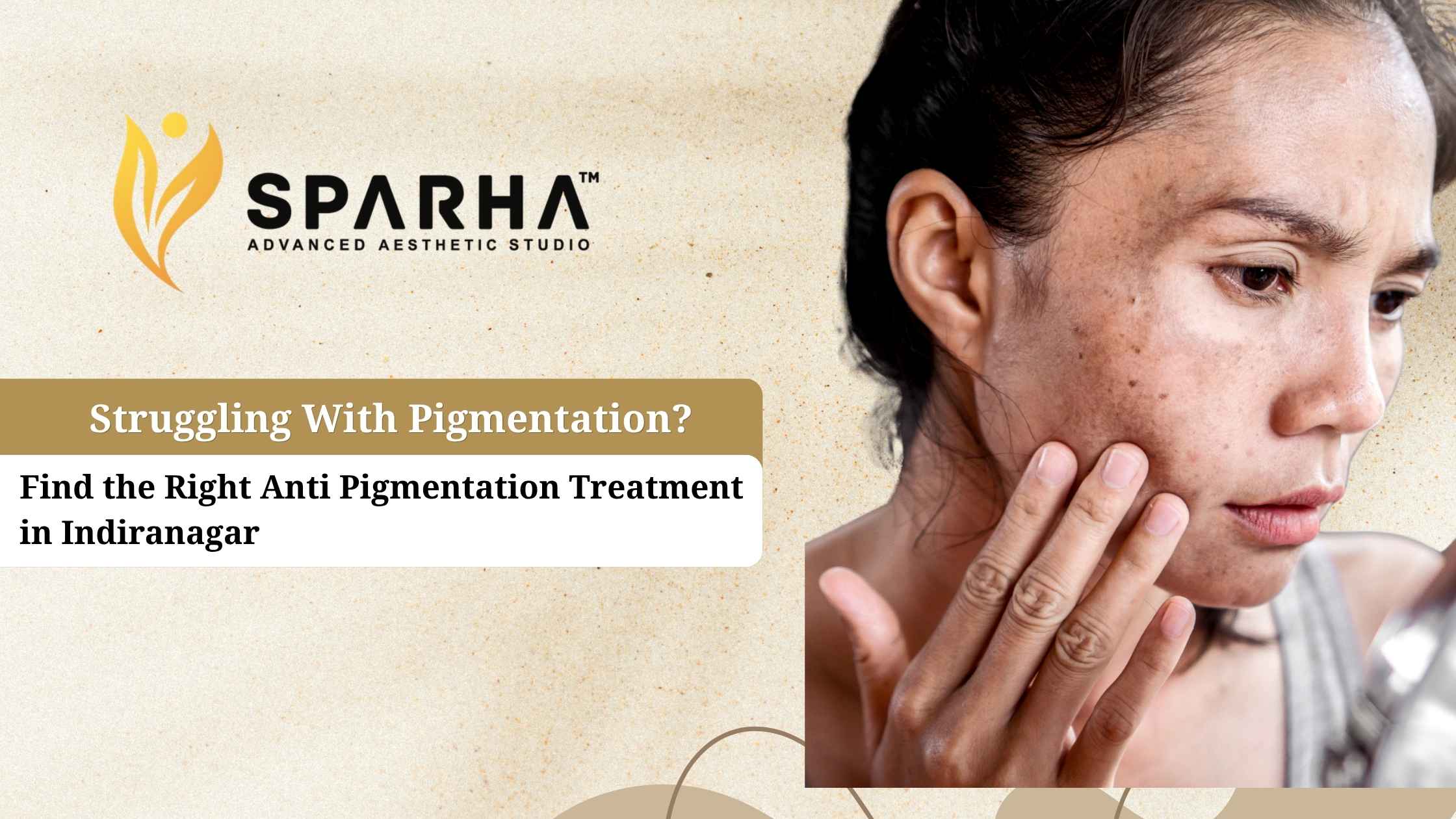
Dark spots, uneven skin tone and persistent pigmentation can contribute to a dull or uneven appearance even when the rest of the skin is healthy. Pigmentation can develop for various reasons, including sun exposure, hormonal changes, ageing and inflammation.
However, pigmentation can be different for each person in terms of the colour, pattern, extent and cause. As such, selecting a treatment simply because it is popular may not always be the right approach.
If considering anti pigmentation treatment in Indiranagar, Bangalore, understanding your pigmentation is an important first step. At Sparha Advanced Aesthetic Studio, the focus is on assessing the pigmentation and considering an appropriate treatment option for your skin concern.
What Causes Skin Pigmentation?
Pigmentation forms when there is a change in melanin production or distribution in the skin. There are several factors that can contribute to pigmentation concerns:
- Sun Exposure
Exposure to ultraviolet radiation stimulates melanin production, leading to the development of dark spots, freckles and uneven skin tone. Sun exposure can also contribute to the visibility of pigmentation.
- Hormonal Changes
Hormonal fluctuations can contribute to pigmentation for some individuals. Melasma, for example, is associated with hormonal influences and can manifest as pigmented patches, particularly around the face.
- Post-Inflammatory Pigmentation
Sometimes, inflammation can lead to darker areas of skin post-healing, such as acne or skin irritation.
- Ageing and Skin Changes
Pigmentation can become more noticeable over time, particularly in areas that have experienced sun exposure.
Because there are different contributing factors for pigmentation, identifying the pattern and potential cause is important prior to treatment.
What Are Different Types of Pigmentation?
Pigmentation can appear in different ways, and some people may have more than one type of pigmentation.
Melasma
Melasma is characterised by patches of pigmentation, often appearing on the cheeks, forehead, upper lip and chin. It can be influenced by hormonal changes and sun-exposure.
Sun Spots and Age-Related Pigmentation
Sun exposure is a key contributor to brown spots and uneven skin tone. These changes can appear on the face, hands, neck and other exposed areas.
Post-Acne Pigmentation
Post-inflammatory pigmentation can occur after acne has healed. These dark marks are different from depressed acne scars, as the issue is with pigmentation rather than a structural change in the skin.
Uneven Skin Tone
Pigmentation may also manifest itself as an uneven appearance of the skin overall, caused by a number of spots.
Understanding the pattern helps to determine whether a depigmenting technology or a light-based or laser procedure may be appropriate.
Why Does Pigmentation Keep Coming Back?
Pigmentation can be influenced by continuing triggers, such as sun-exposure and, for some types of pigmentation, hormonal or inflammatory factors.
As such, reducing the visible pigmentation may just be one aspect of managing the concern; protection from sun-exposure, plus your post-treatment and skincare routine, are also an important part of managing your pigmentation.
In the case of melasma, for example, pigmentation may need longer-term management rather than being treated as a one-time concern.
What Anti Pigmentation Treatments Are Available At Sparha?
Sparha Advanced Aesthetic Studio offers different approaches to pigmentation concerns, including Cosmelan, Lumecca IPL and Q-Switch Laser. Each works differently and may be considered for different pigmentation patterns.
Cosmelan for Stubborn Pigmentation
Cosmelan is a professional depigmenting treatment used at Sparha for pigmentation concerns. The clinic describes Cosmelan as a chemical-peel-based depigmenting method and notes that it is used for new, superficial and mild-to-moderate pigmentation while Dermamelan is used for deeper, stubborn and medium-to-severe pigmentation.
The treatment process is intended as a process rather than simply a single application. Sparha's treatment protocol includes an initial application followed by an ongoing home-care phase to control pigmentation and its reappearance.
Cosmelan may therefore be considered when pigmentation is the main concern and when a depigmentation approach is appropriate.
Lumecca IPL for Sun-Related Pigmentation
Lumecca involves the use of Intense Pulsed Light (IPL) and is offered by Sparha for pigmentation and complexion concerns. The treatment page describes the application for age spots, freckles and signs of sun damage, as well as certain vascular concerns and redness.
Lumecca works using photothermolysis, delivering light energy to the targeted area. The treatment may be relevant for pigmentation associated with visible sun-damage or certain complexion concerns.
The number of sessions and treatment settings will vary based on the skin type, severity and specific concern being treated.
Q-Switch Laser for Selected Pigmentation
Q-Switch Laser is another pigmentation technology available at Sparha. The clinic describes this as a laser treatment for uneven skin tone and hyperpigmentation and lists concerns including pigmentation, freckles, superficial tan and melasma among its applications.
The laser delivers laser energy in very short pulses to target pigment. The treatment information also describes its use for selected isolated pigmented spots.
Whether Q-Switch Laser is appropriate for your pigmentation depends on the characteristics and type of pigmentation identified in your assessment.
Can Pigmentation Be Totally Removed?
Pigmentation treatment should be approached with realistic expectations.
Some pigmentation can respond well to treatment, but the outcome depends on the type of pigmentation and the contributing factors. Pigmentation can also reappear if the triggers continue, including sun exposure or hormonal influences.
Treatment is not just about making a dark spot go away. Long-term management may also involve sun protection, appropriate skincare and the aftercare instructions for the selected treatment.
How Can You Help Pigmentation Management After Treatment?
After an anti pigmentation treatment, protecting the skin from excessive sun exposure is important.
Depending on the treatment, the recommended routine may include:
- Consistent sun protection
- Following the specified or recommended skincare routine
- Avoiding unnecessary irritation or exfoliation
- Specific instructions for post-treatment care
- Follow-up appointments when advised
For example, Sparha's Lumecca guidance recommends regular use of a broad-spectrum sunscreen and avoiding aggressive scrubbing and exfoliation while the skin recovers. The aftercare guidance, however, depends on the treatment performed and how your skin is responding.
Conclusion
Pigmentation is not a singular problem that affects your skin, and it’s crucial to consider what the issue is, how it presents and how your skin reacts to it. Melasma, sun-induced pigmentation, post acne pigmentation and isolated spots each require a different consideration when determining treatment.
At Sparha Advanced Aesthetic Studio, assessments are made prior to treatment to determine which of these routes will be the most beneficial to your skin. Cosmelan, Lumecca IPL and Q-Switch Laser are some of the solutions that can be considered depending on your assessment.
When you think about anti pigmentation treatment in Indiranagar, Bangalore, understanding your pigmentation and what treatment will be useful your skin is a crucial step in combatting pigmentation. Skin protection and post-treatment care are also valuable steps to long-term pigmentation management.
The right treatment always begins with the right consideration of what it is you’re treating.
Want Brighter-Looking Skin? Learn About the Best Skin Care Studio in Indiranagar, Bangalore
17 Oct, 2026
Struggling With Pigmentation? Find the Right Anti Pigmentation Treatment in Indiranagar
05 Oct, 2026
Acne Scars Not Fading? Understanding Your Skin Before Choosing Acne Scar Treatment in Indiranagar, Bangalore
30 Sep, 2026
What Should You Look for in a Skin Clinic in Indiranagar, Bangalore for Your Skin Concerns?
25 Sep, 2026
Why Is Your Skin Getting Dull or Uneven? What to Understand Before Choosing a Skin Clinic in Indiranagar Bangalore
24 Sep, 2026
Top Hair Treatments for Stunning Results
24 Sep, 2024
Fitness Tips for an Aesthetic Male Body
24 Sep, 2024
Your Guide to an Aesthetic Face and Natural Beauty
05 Sep, 2024
Achieve Beauty Goals at Sparha Aesthetic Studio
05 Sep, 2024